
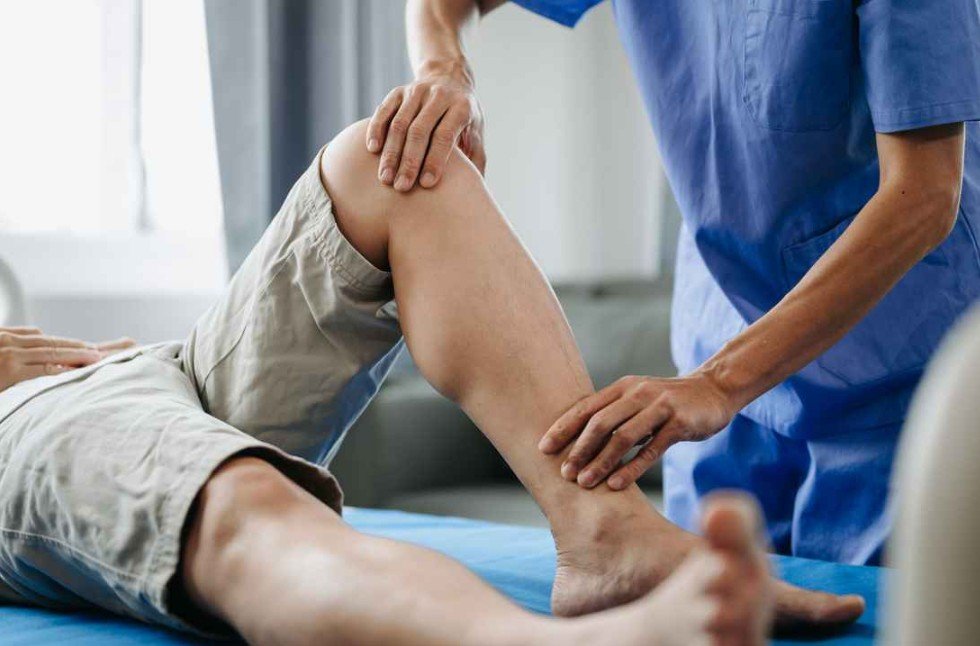
Athletic performance depends not only on training intensity but also on how well the body recovers after stress, injury, or overuse. Whether it’s a professional athlete or a fitness enthusiast, proper recovery is essential to prevent long-term damage and improve performance. Physical therapy plays a crucial role in this process by helping the body heal correctly, restore movement, and rebuild strength in a controlled and safe way.
Today, modern physical therapy programs for athletes go far beyond simple rest and massage. They combine science-based rehabilitation techniques, movement training, and performance optimization strategies designed specifically for active bodies under high demand.
Why Physical Therapy Is Important for Athletes
Athletes push their bodies to the limit. This often leads to muscle strain, ligament injuries, joint stress, and repetitive movement issues. Without proper rehabilitation, these small problems can turn into chronic conditions.
Physical therapy helps by:
- Reducing pain and inflammation
- Restoring mobility and flexibility
- Strengthening weak muscles
- Preventing future injuries
- Improving overall athletic performance
Instead of just treating symptoms, physical therapy focuses on the root cause of the problem.
1. Sports Injury Rehabilitation Programs
Sports injury rehabilitation is one of the most common physical therapy programs for athletes recovering from injuries like sprains, fractures, or ligament tears.
This program typically includes:
- Guided stretching and mobility exercises
- Strength training for injured areas
- Controlled movement retraining
- Gradual return-to-sport planning
The goal is to rebuild strength safely while preventing re-injury. For example, a football player recovering from an ankle sprain will go through progressive balance and stability exercises before returning to full play.
2. Manual Therapy and Soft Tissue Treatment
Manual therapy involves hands-on techniques performed by a licensed physical therapist. It is highly effective for reducing stiffness and improving circulation.
Common techniques include:
- Deep tissue massage
- Joint mobilization
- Myofascial release
- Trigger point therapy
These treatments help relax tight muscles, improve blood flow, and speed up healing. Athletes often benefit from manual therapy after intense training sessions or competitions.
3. Strength and Conditioning Rehabilitation
Strength rebuilding is a key part of recovery. After an injury, muscles often become weak due to inactivity.
This program focuses on:
- Resistance training using bands, weights, or machines
- Core stability exercises
- Functional movement patterns
- Sport-specific strength drills
For example, a basketball player may focus on lower body strength and jumping mechanics, while a swimmer may focus on shoulder stability and endurance.
4. Neuromuscular Re-Education Programs
Injuries often disrupt the body’s ability to coordinate movement properly. Neuromuscular re-education helps retrain the brain and muscles to work together efficiently.
This program includes:
- Balance training exercises
- Coordination drills
- Proprioception (body awareness) training
- Agility exercises
It is especially important for athletes recovering from knee or ankle injuries, where stability is critical for performance and injury prevention.
5. Hydrotherapy (Water-Based Rehabilitation)
Hydrotherapy uses water resistance and buoyancy to support rehabilitation exercises. It is ideal for athletes who need low-impact recovery.
Benefits include:
- Reduced stress on joints
- Improved circulation
- Pain-free movement
- Faster recovery in early injury stages
Exercises in water allow athletes to regain mobility without placing too much pressure on injured areas. This is commonly used for knee surgeries and back injuries.
6. Sports Massage Therapy
Sports massage is specifically designed for athletes to improve muscle recovery and reduce soreness.
Key benefits:
- Reduces muscle tension
- Improves flexibility
- Enhances blood flow
- Speeds up recovery after training
Unlike regular relaxation massage, sports massage targets deeper muscle layers and is often used before or after competitions.
7. Functional Movement Training
Functional training focuses on movements that mimic real sports activities. Instead of isolating muscles, it trains the body as a whole system.
Examples include:
- Squatting, jumping, and landing mechanics
- Sprinting drills
- Rotational movements for sports like tennis or baseball
- Agility ladder exercises
This program ensures that athletes return to their sport with proper movement patterns and reduced injury risk.
8. Post-Surgical Rehabilitation Programs
After surgeries such as ACL reconstruction, shoulder repair, or tendon surgery, structured rehabilitation is essential.
This program usually includes:
- Early-stage mobility exercises
- Gradual weight-bearing training
- Strength rebuilding phases
- Sport-specific return training
Progress is carefully monitored to avoid complications and ensure complete recovery.
9. Electrotherapy and Modern Recovery Tools
Modern physical therapy often includes advanced technologies to support healing.
Common tools include:
- TENS (pain relief through electrical stimulation)
- Ultrasound therapy for deep tissue healing
- Laser therapy for inflammation reduction
- Compression therapy for swelling control
These methods are used alongside physical exercises to accelerate recovery.
10. Injury Prevention Programs
The best physical therapy is not just about recovery—it’s about preventing future injuries.
Prevention programs include:
- Movement screening tests
- Strength imbalance correction
- Flexibility improvement routines
- Sport-specific conditioning
Athletes who follow prevention programs reduce their risk of recurring injuries significantly.
How to Choose the Right Physical Therapy Program
Not all athletes need the same type of rehabilitation. The right program depends on:
- Type and severity of injury
- Sport-specific demands
- Fitness level and age
- Recovery goals and timeline
A qualified physical therapist evaluates these factors and creates a personalized recovery plan.
Final Thoughts
Physical therapy is a vital part of every athlete’s journey, whether recovering from injury or improving performance. The best programs combine strength training, mobility work, manual therapy, and modern rehabilitation techniques to ensure full recovery and long-term durability.
By following structured physical therapy programs, athletes not only heal faster but also return stronger, more balanced, and better prepared for future challenges. In sports, recovery is not a pause—it is part of performance itself.
