
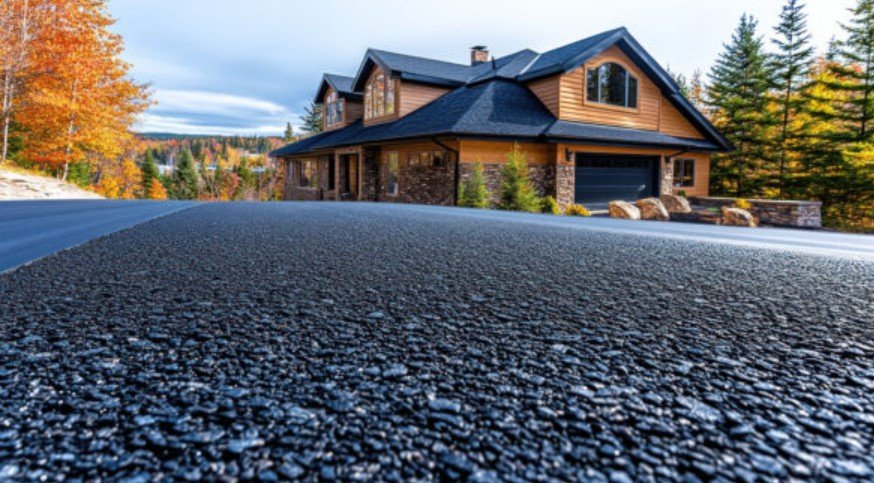
A driveway plays a major role in the appearance, safety, and functionality of any home, especially in regions like Ohio where weather conditions can be harsh and unpredictable. Freezing winters, heavy rainfall, and summer heat cycles can cause cracks, potholes, and surface deterioration over time. That’s why understanding how to properly Repave asphalt driveway in Ohio is essential for homeowners who want durability and long-term value.
Instead of waiting for small issues to turn into expensive structural damage, repaving offers a practical solution that restores strength, improves curb appeal, and extends the life of your driveway. In this guide, you’ll learn everything from installation steps to maintenance strategies that help you protect your investment.
What Does It Mean to Repave an Asphalt Driveway in Ohio?
When you Repave asphalt driveway in Ohio, it means replacing or resurfacing the top layer of an existing asphalt driveway while ensuring the base remains stable and functional. Unlike full reconstruction, repaving focuses on renewing the surface layer, filling cracks, leveling uneven areas, and applying fresh asphalt.
In Ohio’s climate, this process is especially important because temperature fluctuations cause expansion and contraction in pavement materials. Over time, this leads to cracks and water infiltration, which can weaken the foundation if left untreated.
Repaving helps restore:
- Structural integrity
- Smooth driving surface
- Water drainage efficiency
- Aesthetic appearance
Step-by-Step Installation Process for Repaving Asphalt Driveways in Ohio
Successfully completing a Repave asphalt driveway in Ohio project requires careful preparation and proper execution. Below is a step-by-step breakdown of how professionals typically handle it.
1. Inspection and Evaluation
The first step involves assessing the current condition of the driveway. Contractors check for:
- Deep cracks
- Drainage issues
- Base stability
- Surface erosion
If the foundation is damaged, partial reconstruction may be required before repaving.
2. Cleaning and Surface Preparation
A clean surface ensures proper adhesion of new asphalt. This includes:
- Removing debris, dirt, and weeds
- Power washing the surface
- Clearing oil stains
- Repairing small cracks and holes
Proper preparation is crucial for long-lasting results.
3. Milling (If Needed)
In many cases, especially in Ohio, milling is performed to remove the top damaged layer of asphalt. This creates a smooth and even surface for the new layer to bond effectively.
4. Applying Tack Coat
A tack coat is a sticky adhesive layer applied between old and new asphalt. It ensures strong bonding and prevents future separation or cracking.
5. Laying New Asphalt
Now comes the most important stage of Repave asphalt driveway in Ohio:
- Hot mix asphalt is poured evenly
- Spread using paving machines
- Smoothed with rollers for compactness
This step determines the final quality and durability of the driveway.
6. Compacting and Finishing
After paving, heavy rollers compress the surface to eliminate air pockets. Proper compaction improves strength and prevents early wear.
7. Curing Time
The driveway must cure for at least 24–72 hours before use. During Ohio summers, curing may happen faster, while colder conditions may require more time.
Cost Factors of Repaving Asphalt Driveways in Ohio
The cost to Repave asphalt driveway in Ohio depends on several factors:
- Driveway size
- Thickness of asphalt layer
- Condition of existing base
- Labor costs in your area
- Drainage improvements needed
On average, homeowners in Ohio may expect moderate pricing compared to full driveway replacement, making repaving a cost-effective solution.
Additional expenses may include:
- Crack sealing
- Edge repair
- Drainage correction
Maintenance Tips for Long-Lasting Asphalt Driveways in Ohio
After you successfully Repave asphalt driveway in Ohio, proper maintenance is essential to maximize lifespan. Here are some key tips:
Sealcoating Regularly
Apply sealcoat every 2–3 years to protect against moisture, UV rays, and chemical damage.
Keep It Clean
Remove debris, leaves, and oil spills quickly to prevent surface deterioration.
Avoid Heavy Loads
Excessive weight from trucks or machinery can cause cracks and depressions.
Repair Cracks Early
Even small cracks should be sealed immediately to prevent water infiltration and freeze-thaw damage.
Ensure Proper Drainage
Water is the biggest enemy of asphalt. Make sure your driveway has proper slope and drainage channels.
Common Mistakes to Avoid During Repaving
Many homeowners make avoidable mistakes when they try to Repave asphalt driveway in Ohio. These include:
- Ignoring base damage before repaving
- Skipping surface preparation
- Using low-quality asphalt mix
- Not allowing proper curing time
- Overloading the driveway too soon
Avoiding these mistakes ensures better performance and longer lifespan.
Why Repaving Is Important in Ohio’s Climate
Ohio experiences a mix of freezing winters and hot summers, which causes constant expansion and contraction in asphalt surfaces. Without proper maintenance, this leads to:
- Cracking
- Potholes
- Surface sinking
- Water damage
That’s why investing in a timely Repave asphalt driveway in Ohio project is one of the smartest home improvement decisions you can make.
Conclusion
Repaving is more than just a cosmetic upgrade—it’s a long-term investment in durability, safety, and property value. When done correctly, a Repave asphalt driveway in Ohio project can extend the life of your driveway by decades while reducing future repair costs.
From proper preparation to regular maintenance, every step plays a critical role in ensuring success. By following the guidelines outlined above, homeowners in Ohio can enjoy a smooth, strong, and weather-resistant driveway that stands up to seasonal challenges year after year.
